FEATURES
Deep-dive into the world of art history. Explore long-form studies unpacking specific artists, cultural eras, movements, and iconic individual sculptures or paintings.

A Quick Guide to Song Dynasty “Classic” Wares
When most people think of Chinese ceramics they tend to think of Yuan and Ming dynasty blue-and-white bowls and vases. However, the Chinese porcelain tradition goes back long before the development of that particular aesthetic. During the Song dynasty, designs leant more towards the minimalist and elegant in contrast to the large, busy and thick designs of the Ming dynasty. Before the hegemony of the Jingdezhen kilns under the Yuan and Ming emperors, there were several different kiln sites, each with their own styles and techniques.
Art, Antiquities & the War on ISIS
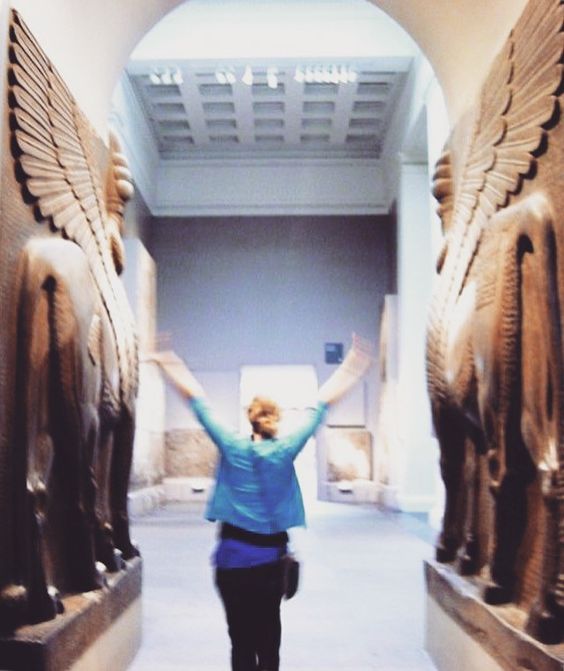
It was 2015. I was working in a public relations office in Washington D.C., surrounded by big-screen televisions that hung on almost every available wall surface, playing out a constant stream of public life and politics on mute. I experienced most news events during my years there in real-time, sitting in front of my computer clutching the day’s fourth cup of coffee, eyes wide. However, for some reason it was a different kind of punch to the gut when I looked up and saw ISIS militants taking sledgehammers to 3,000-year-old sculptures in the ancient cities of Iraq and toppling statues in museums
Auerbach and His New Look at the Old Masters
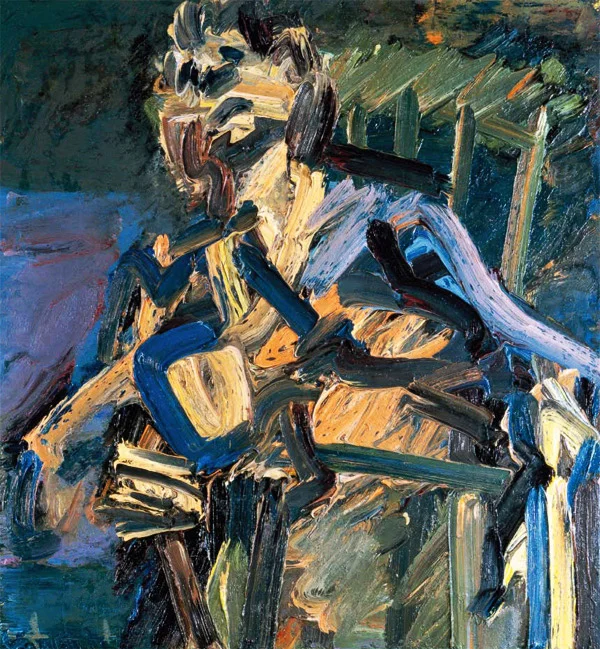
Eighteenth-century English poet John Elsum, observing Rembrandt’s portraiture, remarks upon the sheer ‘coarseness’ of the Dutch artist’s technique. The repetitive ‘strokes upon strokes’ and the construction of physiognomy through thickly layered, scratched and scraped oil meant Rembrandt’s painted surface formed to both enliven and scrutinise the human flesh. Elsum’s description of this ‘rugged way of painting’ finds itself manifest in the twentieth-century works of post-war artist Frank Auerbach – highly influenced by Rembrandt’s seventeenth-century works. In Auerbach’s Head of E.O.W.IV, however, ‘dabs upon dabs’ become ‘swathes upon swathes’. Any notion of realism is blatantly rejected; emphasis shifts from the capturing of a sitter’s likeness, to exploring the profoundly emotive capabilities of medium.


