Jules Olitski (1922-2007)
By Audrey O’Rafferty
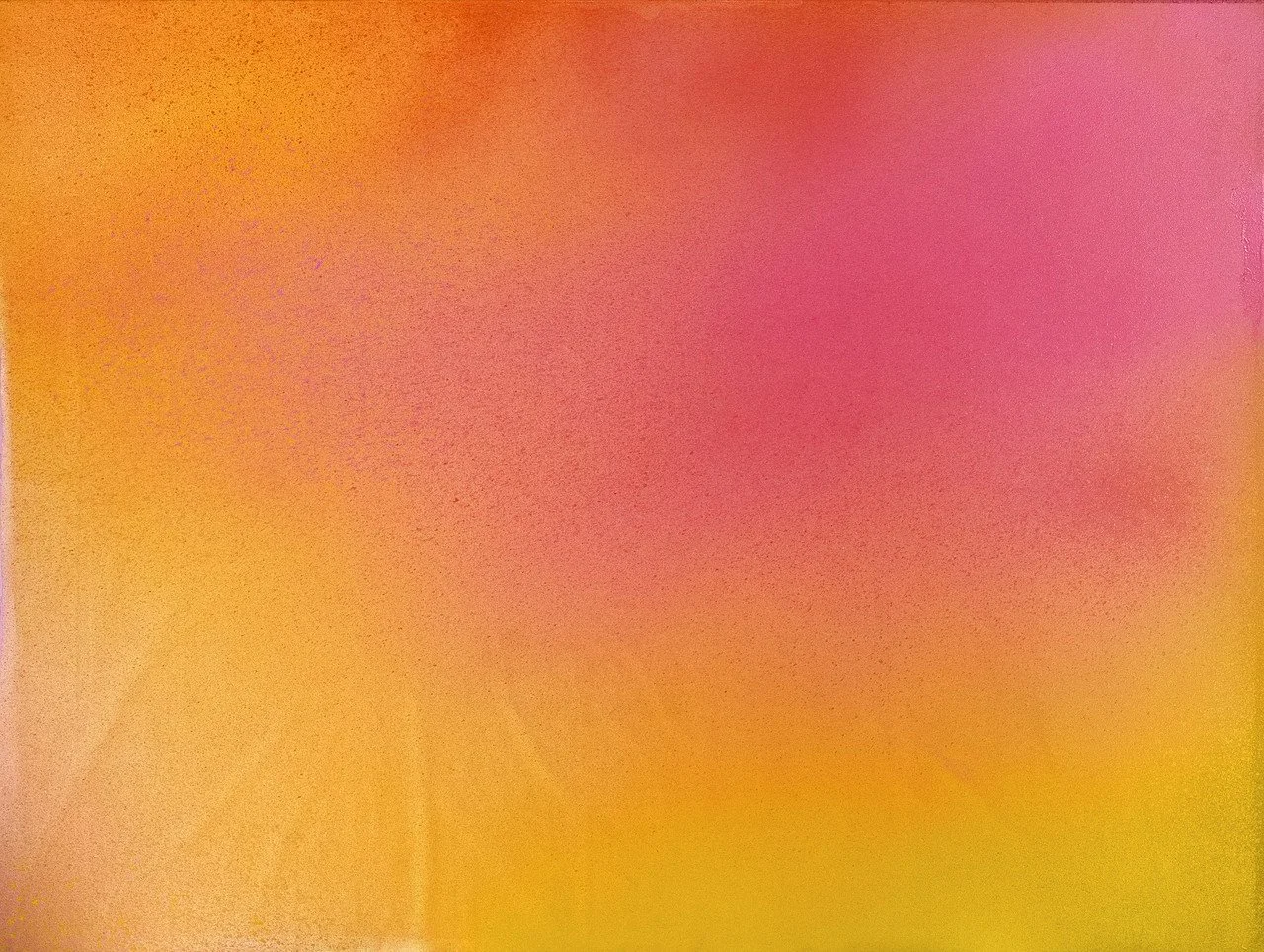
Jules Olitski, Lysander-1, 1970, acrylic on canvas, 245.4 x 316.9 cm, Solomon R. Guggenheim Museum Anonymous Gift, New York. Image courtesy of the Estate of Jules Olitski
Jules Olitski was born 27 March 1922 in Ukraine, then part of Soviet Russia. His father was executed by the Soviet government shortly after he was born, and he emigrated to Brooklyn, New York, with his mother and grandmother. Olitski spent his early career studying at New York’s National Academy of Design. Later, Olitski was able to study abroad in Paris through the GI Bill, which sponsored his tuition, thanks to his service in the US army during World War Two. It was in Paris that he exhibited some of his early work.
Olitski was a part of the Colour Field movement of the 1950s, which was defined by paintings that depicted large, flat planes of colour. Within the movement, Olitski was a pioneer of spray gun painting. For example, works like Lysander-1 (1980), pictured above, demonstrate how Olitski used a spray gun to create cloud-like fields of colour that blend in and out of one another. Olitski’s experimentation with colour was part of his drive to create works that were solely a ‘visual event’. For example, paintings like Lysander-1 eliminate linear representation, and in doing so Olitski centers a representation of colour that is entirely atmospheric, drawing you into the piece. As Olitski said of his work, ‘Color must be felt throughout,’ tying this act of creating an atmosphere to a deep feeling of visceral immediacy. Importantly, Olitski, as an American Jewish artist, viewed abstraction through its singular nature and as a spiritual form of art that could indicate the presence of the divine. This adds another layer to the way in which his art is intended to invoke physical and emotional sensation within the viewer.
Olitski passed on 4 February 2007 in New York after having over 150 exhibitions; he was one of the first living artists to have a solo exhibition at the Metropolitan Museum of Art. Today, his art can be found in museums across the world from The National Gallery of Canada in Ontario, to the Brooklyn Museum in New York, and the National Gallery of Australia.
Bibliography
“Jules Olitski.” Art in Embassies. https://art.state.gov/personnel/jules_olitski/.
“Jules Olitski.” Toledo Museum of Art. https://emuseum.toledomuseum.org/people/2552/jules-olitski.
“Jules Olitski Lysander-1.” Guggenheim New York. https://www.guggenheim.org/artwork/3324.
Kuspit, Donald. “Jules Olitski.” Art Forum, 2022. https://www.artforum.com/events/jules-olitski-11-250768/.