Ready, Set, Frieze: London’s biggest art fair is back, and so are its guests.
By Ian Ziegler
For better or worse, art fairs have become a fixture of the art world. A travelling community of galleries, collectors, artists, and enthusiasts moves around the globe, setting up booths filled with work it hopes to sell, only to pack up and move on to the next fair a few days later. It is not so different from what the great Salons of Paris once were: masters hung beside masters, a place to share ideas and techniques and to take stock of the year’s artistic trends – a special, singular event. Today, however, there are roughly 400 art fairs a year, each claiming to show the state of an art world that refuses to be pinned down to a single term.
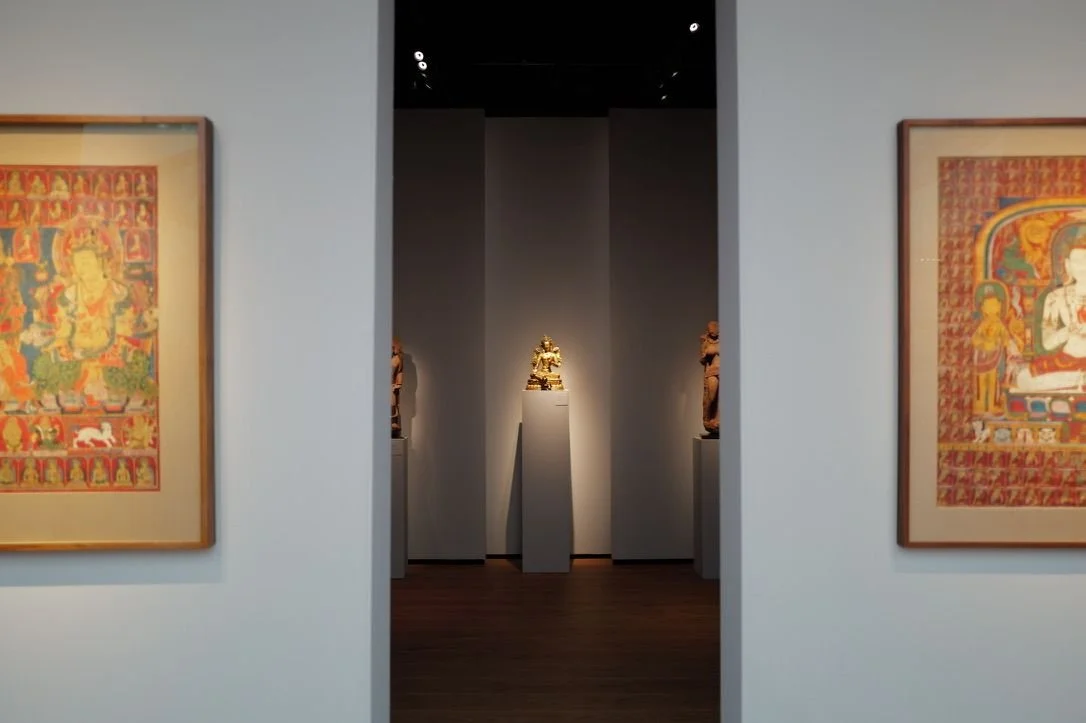
Image Courtesy of the author.
With so many fairs, it is daunting to know where to look. But while the art world's landscape shifts, its geography does not: its powerhouses remain the financial capitals, and London is one of them. Its largest fair, Frieze London, closes this weekend. Frieze began life as a magazine in 1991 and launched its London fair in 2003, showcasing the kind of artists its pages championed; today it has satellite editions around the world.
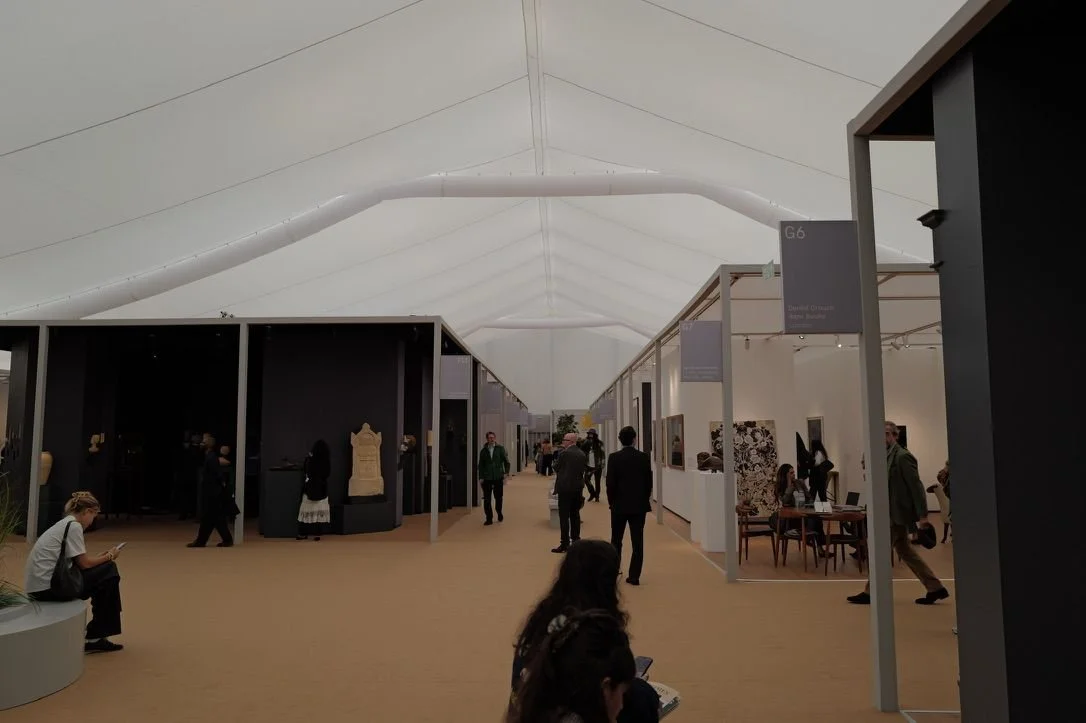
Image Courtesy of the author.
Frieze is the place to be if you want to be seen. It draws collectors, enthusiasts and casual visitors from all over the world, all trying to get their 10,000 steps in. I was lucky enough to have a preview pass, giving me access before the public; just me, the influencers, the would-be fashionistas and a handful of collectors. I tried my hardest to give every booth my full attention, but with almost 200 galleries taking part, it is hard to see them all, and harder still to navigate the countless influencers filming their ‘guide’ to the fair, as if we hadn’t all walked in at the same time. Walking around, I felt my attention was constantly being fought for, not by the booths and paintings, but by the people in front of them. Many seemed dressed for fashion shows they had never been invited to, grinning each time someone stared a little too long, validated by having stolen a gaze away from the art.
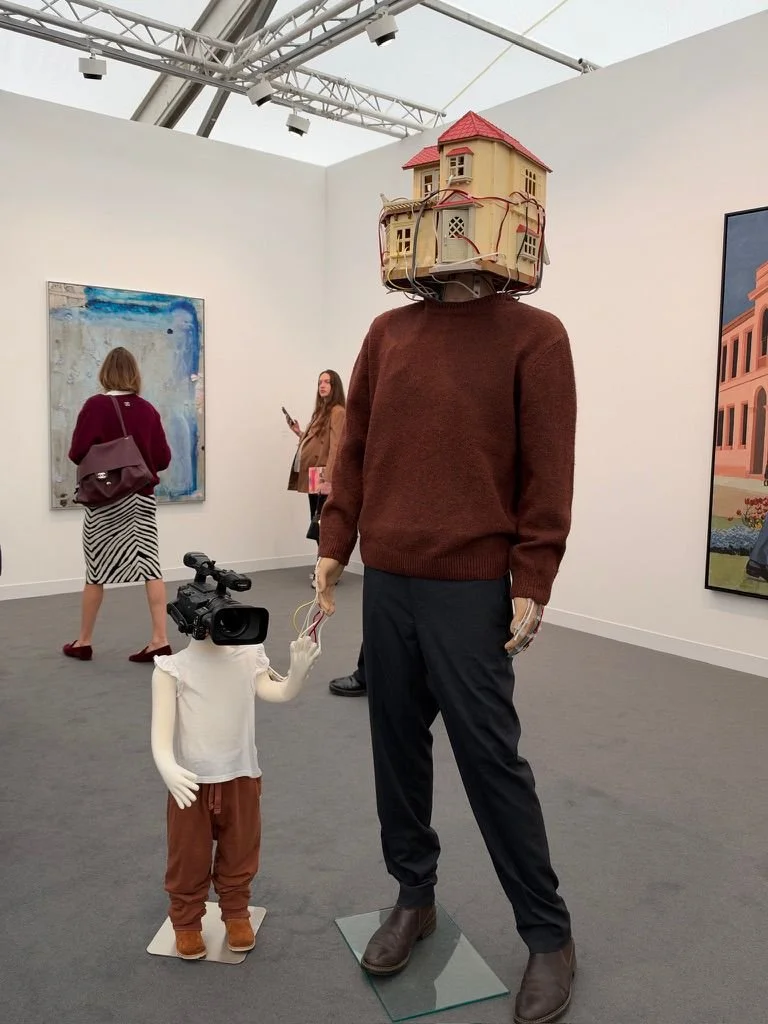
Image Courtesy of the author.
Frieze Masters, by comparison, was far calmer, and where the serious collectors went. The difference between the two fairs is one of period: Frieze Masters is devoted to art made before 2000, from antiquity to some of modern art’s biggest names. Walking in, my eyes went straight to an Alexander Calder sculpture; beside it was a booth of ancient art, with marble busts and coins on display; a stark contrast to the robotic father-and-son sculpture I had seen at Frieze London. Frieze Masters gives galleries the chance to show the artists who paved the way for those across the park. Without their revolutionary approaches, we would look at art very differently today: had the art world never embraced Yves Tanguy, it might not have been ready to celebrate artists like Avery Singer and George Condo.
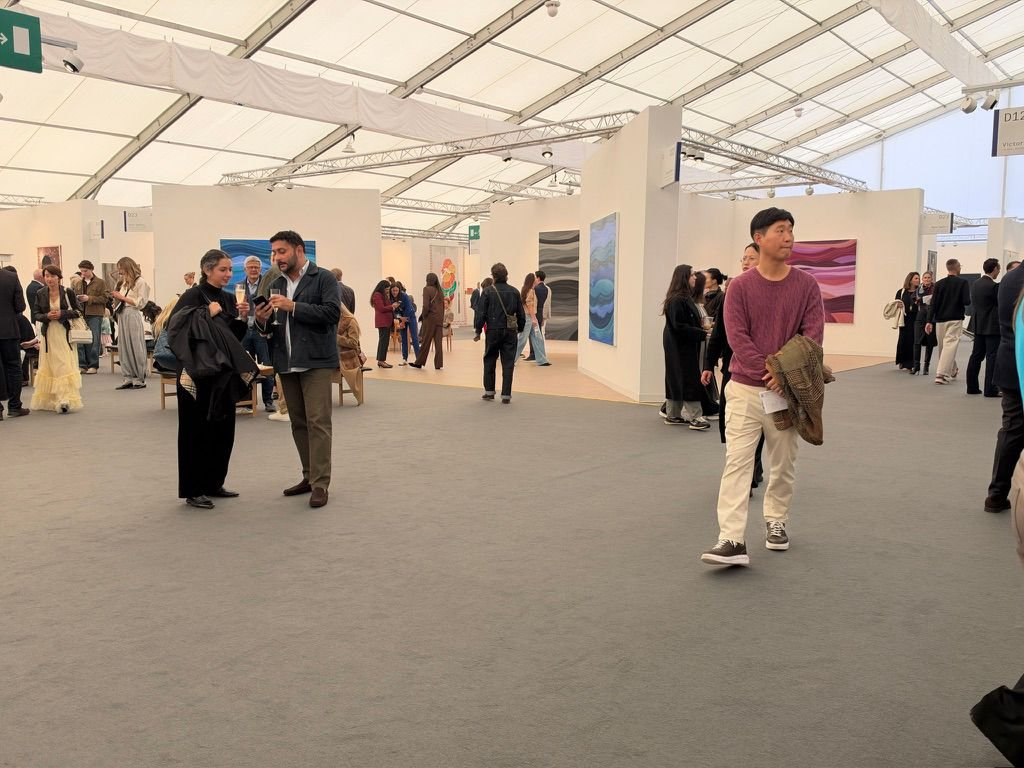
Image Courtesy of the author.
When it comes to fairs and art shows, they start to feel overwhelming, a bit overdone, and anxiety-inducing as you weave your way through the foot traffic, and, in all honesty, you begin to question the point. You don’t know why this one was so important to go to, why you took the 6-hour train down for it, and you are questioning the outfit choices of everyone around you. You’re about to give up, and then you see a piece of art that speaks to you; you see something that is truly unique; you look into the finer details, searching for, well, you don’t know, but searching, nonetheless. The rare, magical, and bone-chilling thrill that runs down your spine; a feeling that only art is able to produce in you. You realise that that’s the whole point. Art fairs might be turned into a social event, a contest of sorts, but the pathos of the art fair is unchanged. Art from around the world, spanning countless countries and thousands of artists, stories, and lives, all focused on one event. That is the point: bringing art you would most likely never see straight to you. It’s the same reason Parisian artists created the Salon: you are opening your mind to a story you didn’t know you could relate to; a life you didn’t know was similar to yours.