By Ian Ziegler
Courtesy of the Observer
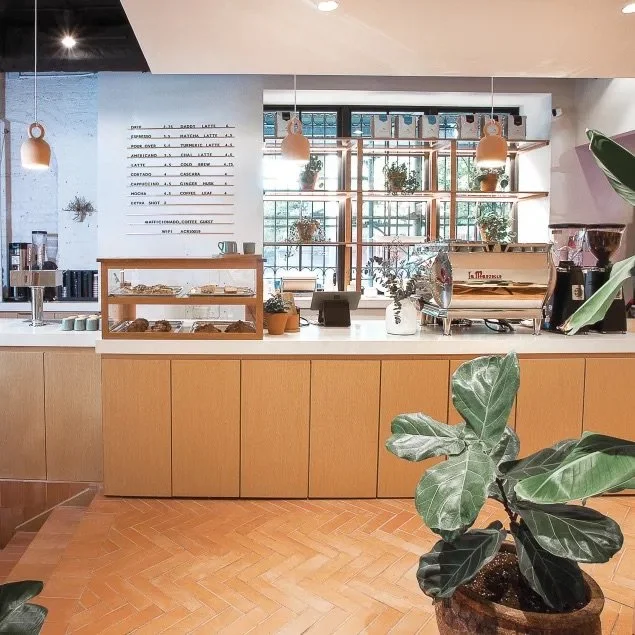
You can drop me in any corner of the world, and I will be able to find a coffee shop. But walking in, you might as well be anywhere in the world; wherever you are, it will be the same. The same earth-toned tiles, the same letter cut-outs on the menu, the same Boho-chic minimalist design, anywhere. London, Sydney, Tokyo, New York, and St Andrews, all the same blueprint, all alliterations of each other. It is a trend that is seen beyond just a coffee shop; it is consistently seen throughout storefronts, style trends, music, art, and personal lifestyles.
We are lucky enough to live in an age where we can access billions of data points; we have access to almost every single culture that has ever lived, and yet we seem to be becoming less diverse. We are merging into a singular ‘super-culture’, mimicking the styles and trends that we see online. As technology advances even further and AI gets even smarter and more integrated into daily life, I suspect that the parts of humanity that are truly valuable- our uniqueness, our ability to express ourselves- will dwindle until it is barely there.
The slow decline into sameness has been coming for a while now; in her Substack article “Temperature Zero for Culture: Why Everything is Starting to Look the Same,” Lauren Leek shares her research on how music has changed in the last few years. Leek studied the uniqueness of words and the number of repeated lines in songs since the 1950s and noticed that since the mid 2000s, vocabulary richness, distinct words, and relative length have fallen by well over a quarter, while the number of repeated lines has grown by over a third. If the art forms that we interact with each other - music, film, TV, and visual/fine art - are all reduced to the same patterns, we will, in a sense, seem to lose true cultural, artistic, and creative diversity that makes art Art.
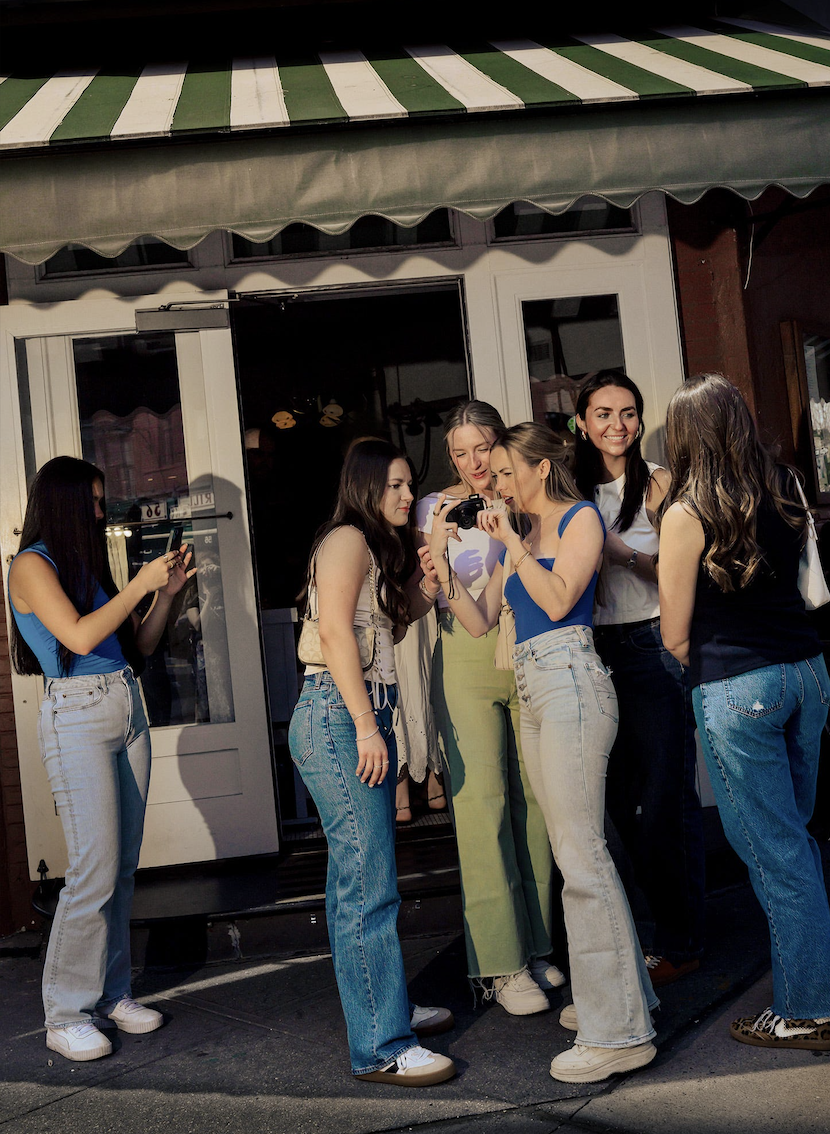
“Photographing the Myth of the West Village Girl” courtesy of Dina Litovsky
Personal taste seems to be dying as collective taste seems to be on the rise. It is now more common to be spoon-fed content, calling it “tastes” or a “curated algorithm,” rather than seeking out culture and art; it is now more common to look well-versed in the arts than to be so. The true art that is lasting is that of performance art, for these people, influencers and everyday people alike, are putting on a show. They are performing for others as much as for themselves, but little do they know they are not the ones who chose this; it is like marionettes, and their algorithm is the string keeping them upright. For you can go back to that coffee shop in Sydney (or was it New York?) and order the same flat white from the same counter with the same earth-toned tiles and see the same people, no matter the city or the time of year.
Social media and the hyper-connectivity that it has caused is, for the most part, a benefit to society. We are exposed to more people, more places, and more cultures than ever imaginable in human existence, but with that, we are spoiled for choice and end up not choosing at all; we would rather be told what we should like than make up our own minds. I see this, like many other things in the wake of social media, as a trend that will die out in time, and, in response, a new trend will emerge in which we all collectively show our uniqueness in the same way.